

Safety leaders expose common scams, retail crime patterns
Friday, Nov. 13, 2026
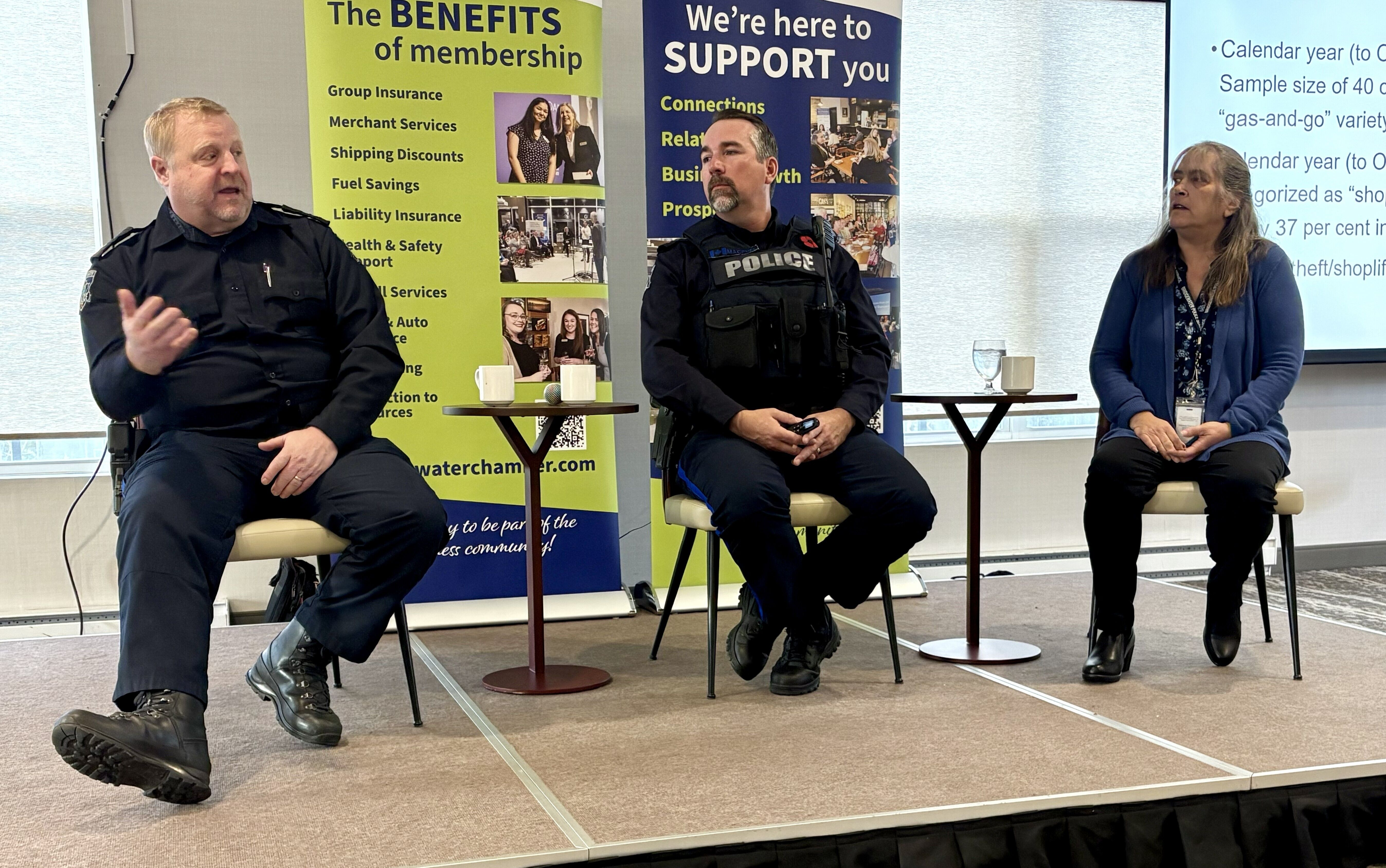
From left: Scott Feener, chief of police, Bridgewater Police Service; Danny MacPhee, deputy chief of police, Bridgewater Police Service;
Lisa Bennett, seniors' safety co-ordinator, Lunenburg County Seniors' Safety Program.
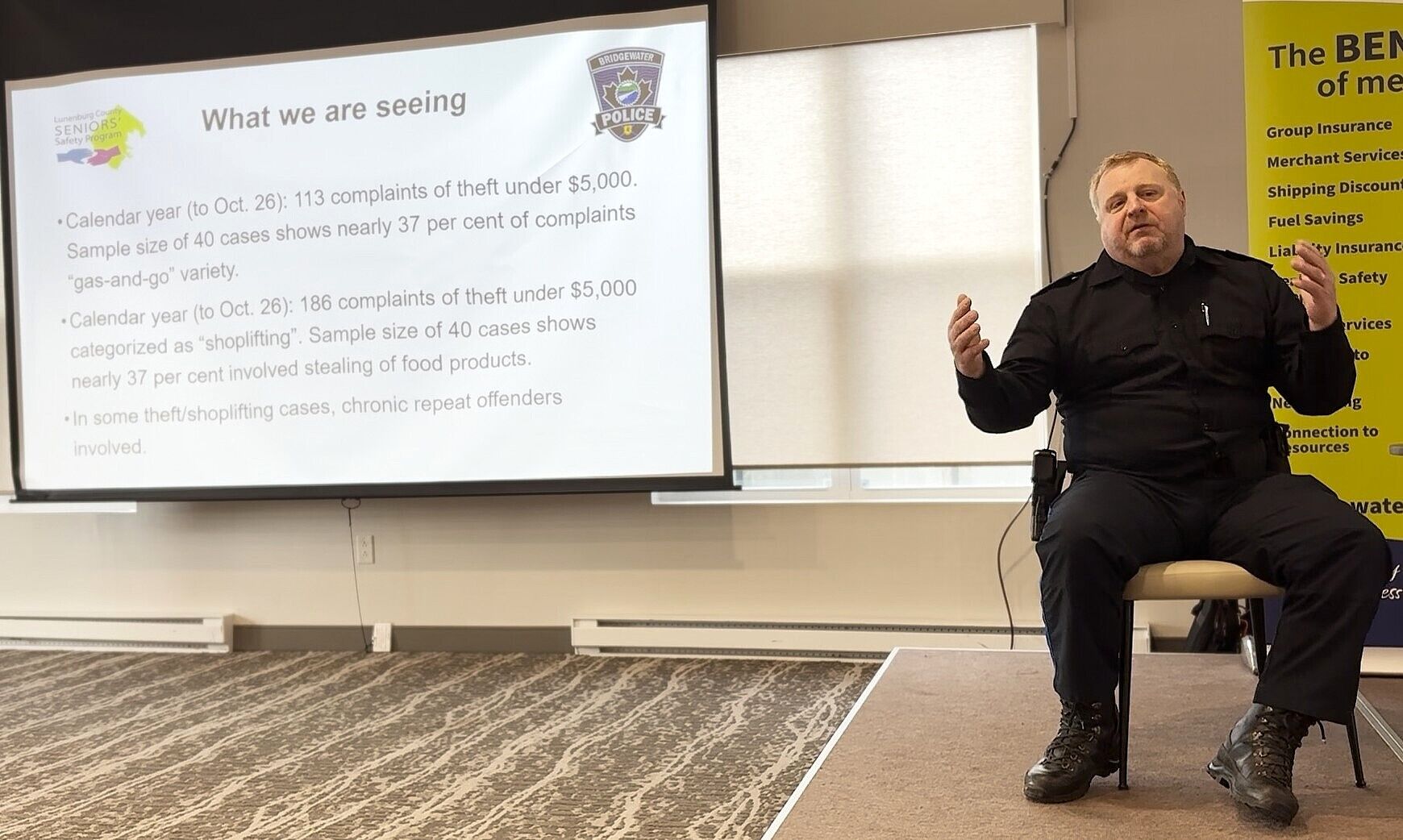
Scott Feener, chief of police, Bridgewater Police Service.
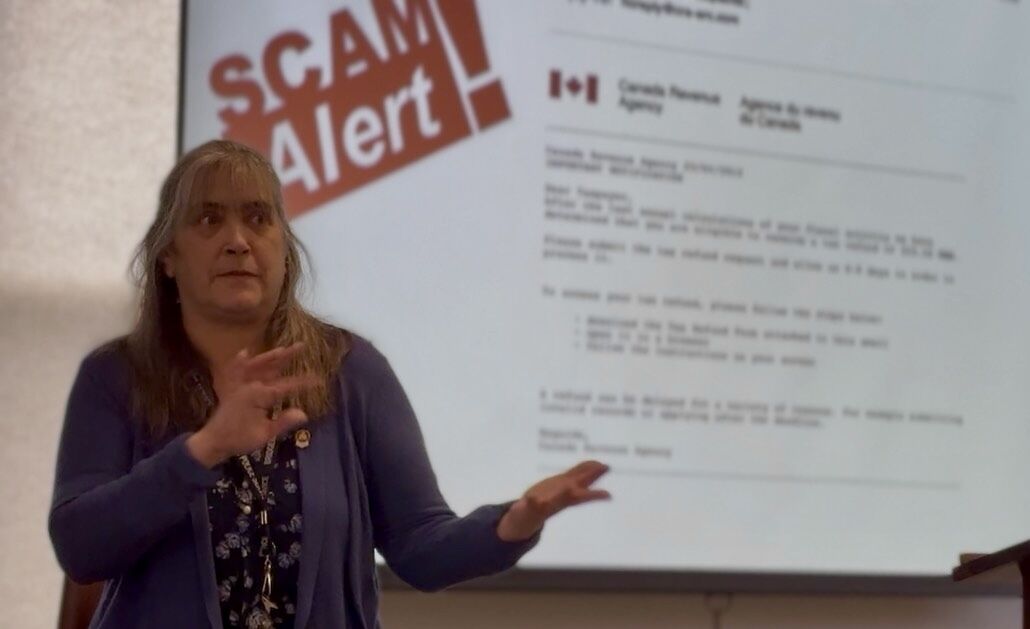
Lisa Bennett, co-ordinator, Lunenburg County Seniors' Safety Program.
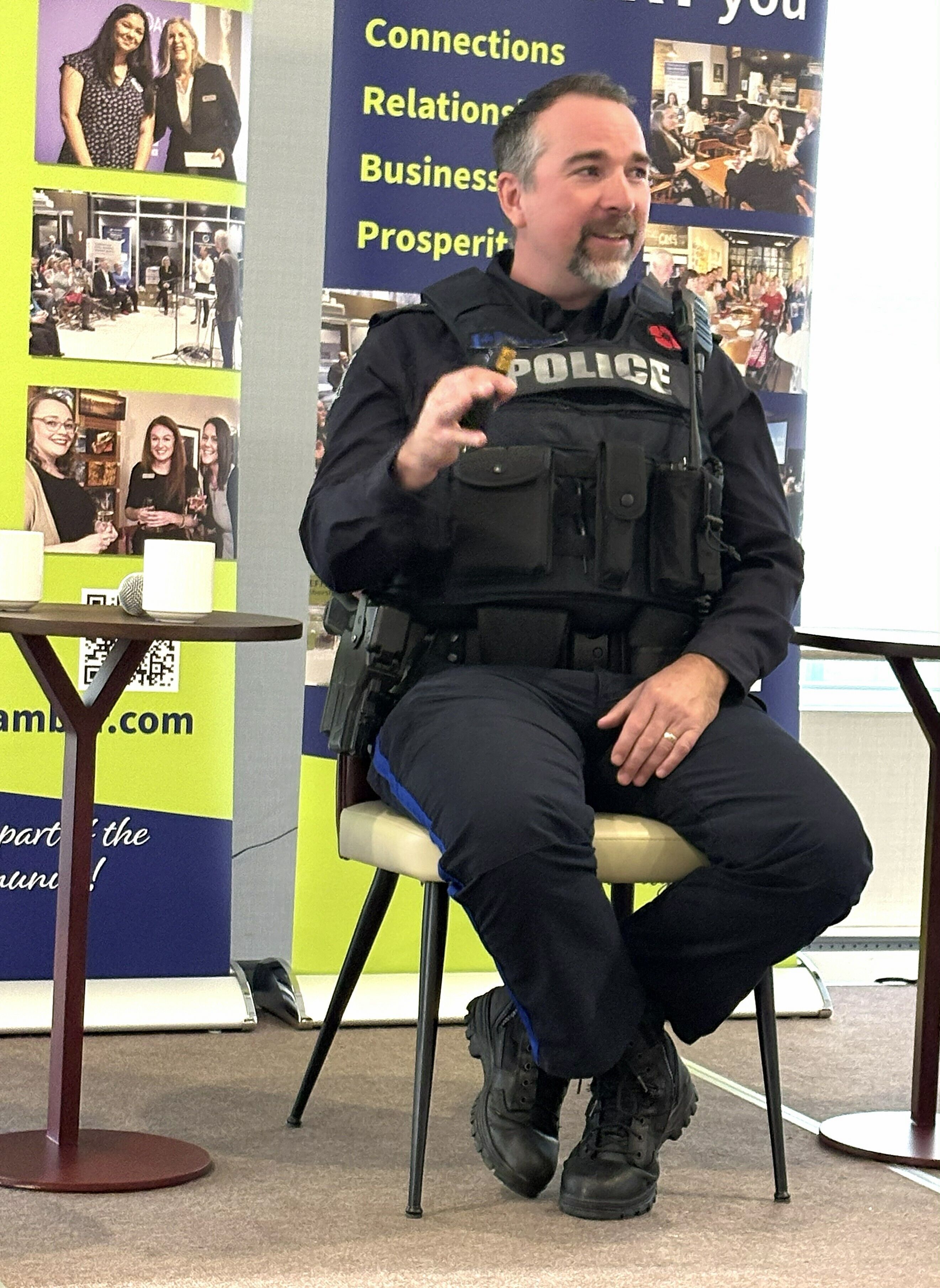
Danny MacPhee, deputy chief of police, Bridgewater Police Service.
Community safety leaders recently provided a detailed look at local operational realities of policing and highlighted current crime statistics.
Bridgewater Police Service, in partnership with the Best Western Plus Bridgewater Hotel and Convention Centre, sponsored the Crime Prevention for Business panel discussion with the Bridgewater Area Chamber of Commerce. The Nov. 10 panelists were Scott Feener, chief of police for the Bridgewater Police Service; Danny MacPhee, deputy chief of police; and Lisa Bennett, seniors' safety co-ordinator for the Lunenburg County Seniors' Safety Program.
Feener and MacPhee discussed retail crime patterns, while Bennett addressed fraud prevention strategies for older adults.
Crime statistics recorded up to late October highlighted two major categories pertinent to merchants:
- Theft under $5,000 (113 complaints): Largely retail theft and frequent gas-and-go incidents at local service stations. Fuel thefts are frequent enough that gas stations are moving toward mandatory prepaid fuel policies.
- Shoplifting (186 complaints): Involves people concealing items and walking out, or blatant thefts where offenders openly grab high-value items—such as high-end liquor from the Nova Scotia Liquor Corporation—and walk straight out without attempting concealment.
Police highlighted a prominent trend involving traveling criminal networks, such as organized groups originating from outside the country and moving through Atlantic Canada to target retailers. These actors load shopping carts with high-value merchandise and electronics before fleeing in vehicles, Feener said.
Police frequently deploy a store's electronic scanners in parking lots to match unsourced, untagged merchandise back to victimized local businesses. Intelligence indicates these thefts are pre-ordered; criminals steal specific items requested by buyers at a discounted rate to fund other endeavours.
Feener suggested a large portion of day-to-day shoplifting is driven by chronic repeat offenders trading stolen goods, such as meat, steak, lobster, perfume and seafood, directly to drug dealers in exchange for substances. To counter meat thefts, some grocery stores are using specialized security cameras over refrigerated sections.
Business owners possess the legal authority under the provincial Protection of Property Act (PPA) to verbally or formally ban any individual from their premises for up to one year. Violating a PPA notice carries a $237.50 fine.
MacPhee shared officer and local business frustration with the judicial system, noting chronic offenders can often accumulate dozens of theft charges and repeated breaches of conditions that ultimately get diverted or withdrawn. Courts frequently treat minor property crime as a low priority despite its severe community impact and escalation potential, the deputy chief said.
Retail staff and loss-prevention personnel are largely instructed to maintain a hands-off policy, avoiding physical confrontation to prevent injury.
Meanwhile, Bennett detailed financial exploitation and sophisticated scams targeting seniors:
- Phishing and government impersonation: Fraudsters deploy fake emails and text messages mimicking the Canada Revenue Agency or federal benefit programs, directing victims to malicious links to harvest personal data and banking credentials.
- Grandparent and emergency scams: Scammers exploit emotional vulnerabilities by pretending to be a grandchild, relative or authority figure claiming a family member is jailed or trapped abroad. Fraudsters demand immediate cash ransom via Bitcoin or high-value store gift cards, such as Apple cards.
Scammers bypass logical reasoning by manufacturing an intense sense of urgency, high emotional stress and fear for a loved one's safety, Bennett suggested. Victims often stay silent due to profound embarrassment, shame or fear of losing independence.
Bennett conducts home visits, safety presentations and system navigation across Lunenburg County. The program distributes practical resources like the Helping Tree directory, which connects seniors to essential local services.
To learn more about seniors' safety, visit the Lunenburg County Seniors' Safety Program website or call 902-543-2464.


